peach tree borer life cycle
The body is blue and narrowly fringed with yellow. In the fall winter and very early spring peach twig borers overwinter in limb crotches in cells called hibernacula covered with chimneylike piles of frass and sawdust.
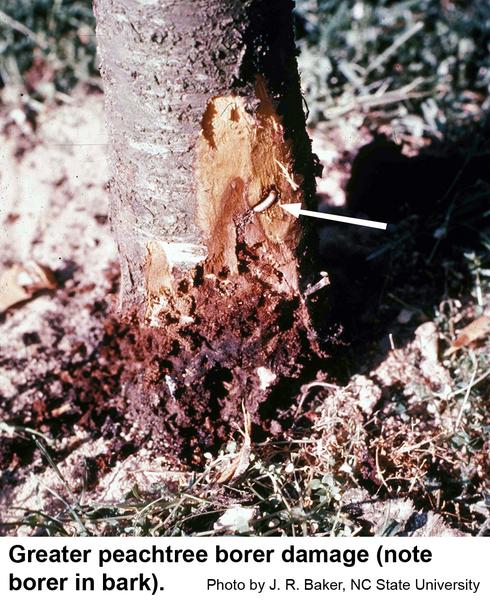
Greater Peachtree Borer In The Landscape Nc State Extension Publications
Seasonal development and life cyclePeach twig borer.
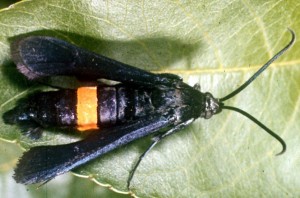
. Part of the population may require two years to complete the life cycle. The safe organic way to control Peach Tree Borers a major pest attacking stone fruit trees without harmful chemical pesticides. Hatching larvae tunnel into the tree at or slightly below ground level.
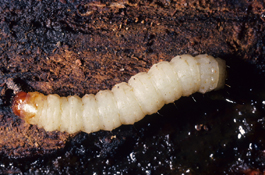
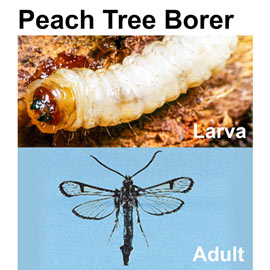
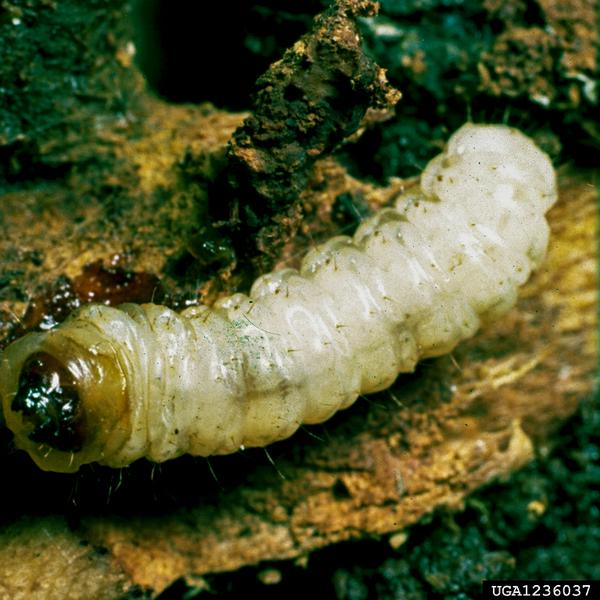
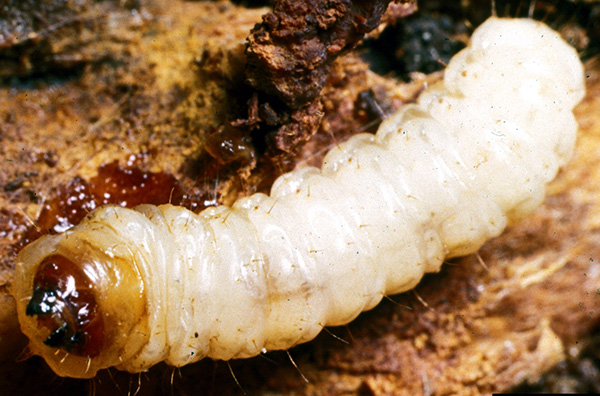
Larvae range from 125 to 35 cm in length and are white with a brown head. Journal of Economic. In the spring feeding is resumed and the larval period is completed.
Produced by peachtree borer. Peachtree Borers attack plum prune cherry almond apricot and nectarine trees but they prefer peaches. Biologies of the peach tree borer and lesser peach tree borer in east Texas.
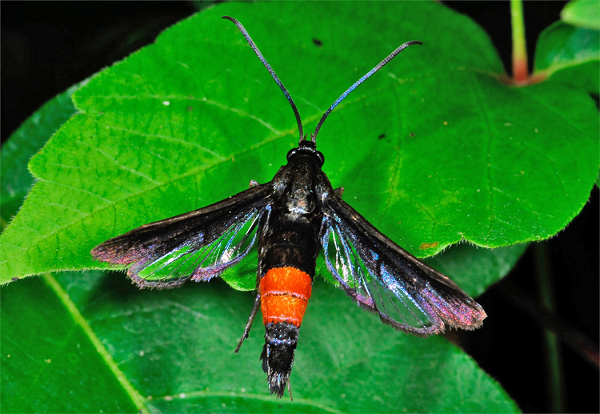
Veins and margins of transparent wings are fringed with steel-blue scales. Adults are day-flying moths that resemble wasps. Exuded gum mixed with sawdust like frass forms at feeding sites.
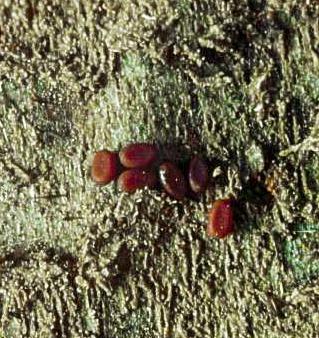
The twig borer has become a common pest of peaches and other tree fruits in eastern Washington. The presence of small particles of wood and bark within the gum distinguish damage by peachtree borer Life History and Habits The life cycle of the peachtree borer requires one year to complete. Female Peachtree Borers lay their eggs on the tree trunks or at the base of the tree and lay 500-600 eggs on average.
PTB are clearwing moths native to North America and a major pest of peach cherry plum nectarine and apricotAdult PTB are sexually dimorphic. Adult beetles are 1 inch long and brown with two white longitudinal stripes on their backs. The clear-winged female moths lay their eggs on the bark at the base of tree trunks in mid- to late-summer.
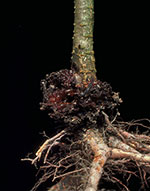
Peachtree borers live and feed in the trunk of the tree from a few inches above to 6 inches below the soil line. The lesser peachtree borer overwinters as larvae and reaches full growth during April and May. Description and Life Cycle.
Eventually the bark begins to peel off damaged areas making the tree susceptible to other pests and disease. Adults begin emerging in late spring and early summer from larvae that have overwintered inside the tree an inch or two beneath. Life Cycle Appearance.
Description and life cycle. These borers are caterpillars of a dark clearwinged moth. It is a native North American pest that can seriously damage its host plants.
Female moths lay their eggs during the summer on bark at the base of tree trunks. Females are dark blue with two orange bands on the abdomen and have opaque front wings while males resemble small wasps with four narrow yellow bands on the abdomen and. Upon hatching from eggs young larvae immediately tunnel into the sapwood of the tree usually through cracks and wounds in the bark.
Lesser peachtree borers will be found feeding in wounded or injured portions of the trunk or larger branches. One of the most effective ways to get rid of peachtree borers is to begin spraying organic neem oil around the crown of the tree and up the first 12 inches of the trunk. During this time eggs are laid on.
The adult peachtree borer is a steel blue to black moth that resembles a wasp. Synanthedon exitiosa is a dark blue clearwing moth with yellow or. Damage Any wound on stone fruit trees may cause gum to exude.
The pests life cycle and treatment is similar to those of exitiosa. Larvae overwinter in various stages feeding on sapwood and heartwood. For decades the greater peachtree borer Synanthedon exitisoa was known simply as the peachtree borer.
Seasonal development and life cyclePeachtree borer. The peachtree borer overwinters as a partly grown larva in its burrow beneath the bark of the tree. The pests life cycle and treatment is similar to those of exitiosa.
Black knot galls found on cherry and plum are favorite attack sites. Peach tree borers attack near the soil line with most activity occurring a few inches 5 to 75 cm below the ground. It is reported that it takes two years to complete a life cycle in Canada and in a small percentage of populations in New York.
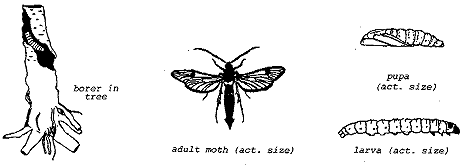
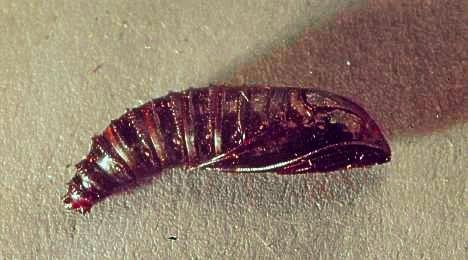
Bark of the lower trunk or in the soil near the trunk base or by a larva andor larval tunnel under the bark Fig. Peachtree borer life cycle showing larva 1 cocoon 2 empty pupal case 3 and cocoon with pupa emerging 43. The lesser borer completes about one and one-half cycles a year.
Peachtree borers Synanthedon exitiosa. When you apply neem oil make sure you saturate both the bark and the soil. The period of time required to complete a life cycle varies considerably throughout the range of the peachtree borer.
Lesser peach tree borers attack higher on the trunk and scaffold branches especially where there are injuries and callus tissue. Adult peachtree borers emerge in the late spring or early summer. Lesser peach tree borers have a life cycle very similar to that of peach tree borer but the timing and location of attack are slightly different.
The grub-like larvae chew underneath the bark at. Borer damage is usually attended by gumming with varying amounts of frass in the gum. Only the immature larva stage Figure 3 produces the damage to trees.
Larvae of the peachtree borer cause damage to fruit trees. The adult borer emerges in the late spring and early summer. Hatching larvae tunnel into the tree at or slightly below ground level.
Males of lesser peachtree borer have yellow scales on the top of the head between the eyes and black scales between the antennae. Lesser peachtree borer can only attack areas injured by. The adult peachtree borer is a steel blue to black moth that resembles a wasp.
The round-headed apple tree borer Saperda candida takes 2-3 years to complete its life cycle. Adults which resemble wasps are most prevalent from mid-May to early October. Look for injury symptoms when pruning trees in the spring.
Pupation occurs within a silken cocoon covered with chewed wood and frass. Upon hatching from the eggs Figure 4. Larvae emerge in early spring and migrate up twigs and branches where they attack newly emerged leaves and shoots.
When mature the larva constructs a cocoon under the bark at or near soil level and pupates. The peach tree borer completes one life cycle a year.
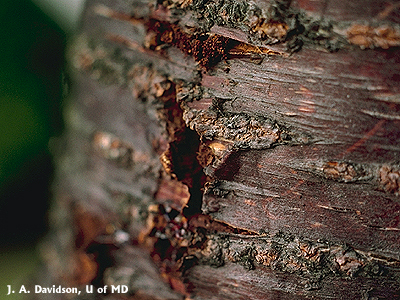
Peach Tree Borer Fairfax Gardening
.JPG)
Pests Bc Tree Fruit Production Guide
Peachtree Borer

Peach Tree Borers How To Control Peach Tree Borers
Peachtree Borer Nc State Extension Publications
.JPG)
Pests Bc Tree Fruit Production Guide
Peachtree Borer Entomology
Peachtree Borer Wsu Tree Fruit Washington State University
Peachtree Borer 5 566 Extension
Peach Tree Borer Trap Pest Control From Gardens Alive
Lesser Peachtree Borer Nc State Extension Publications
Eny 691 In489 Peachtree Borers In The Home And Commercial Peach Orchard

Goes To Show You Don T Ever Know Plant Pest Advisory

Peach Tree Borer Treatment Control Planet Natural
Lords Environmental Peach Tree Borers

Peachtree Borer Nectarine Agriculture Pest Management Guidelines Uc Statewide Ipm Program Uc Ipm
Peachtree Borer Nc State Extension Publications
Greater Peachtree Borer Usu
Peachtree Borer Oklahoma State University